Commercial Waste Removal in Marylebone
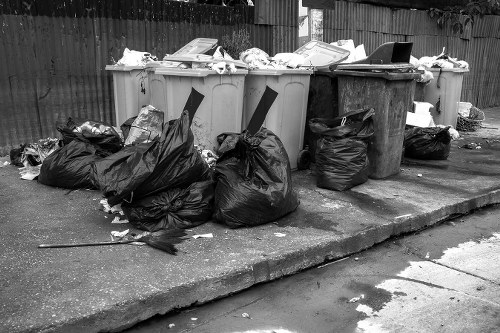
Commercial waste removal in Marylebone needs a practical, tidy service that works around offices, shops, managed buildings and shared premises. We clear business waste with a focus on keeping collections orderly, separating recyclable materials where possible, and removing unwanted items without turning disposal into a disruption. From routine office clear-outs to heavier mixed loads, the service is built around straightforward removal and responsible handling.
If your business is clearing space after a refit, replacing furniture, or dealing with accumulated storage items, the right approach is usually a planned removal rather than an improvised one. We can help with bagged waste, office fixtures, shelving, archive material, broken furniture and other non-hazardous commercial items that are ready to leave the premises. Commercial premises often need more than one type of clearance, so the job is usually better handled as a sorted collection rather than a single pile of mixed material.
For a quicker start, it helps to note what needs removing and what should stay on site. Clear access routes, loading points and any lift restrictions matter, especially in buildings where common areas must remain usable for staff or visitors. If you are comparing options, you can also look at our business waste removal service alongside the main clearance work to decide what best matches the load and the premises.
What we remove from commercial premises
Business waste can cover a wider range of items than many people expect. Our removal work may include desks, chairs, cabinets, shelving, packaging waste, broken office equipment, stockroom clutter and general non-hazardous rubbish that has built up over time. In practical terms, that means we can clear individual items or fuller loads, provided the waste is suitable for collection and handling within standard disposal routes.
Different premises generate different waste streams, so it is useful to think in categories rather than in one mixed heap. Office moves often produce paper, furniture and dismantled fittings; retail units may have display fixtures, packaging and unsold stock; and shared commercial spaces often need mixed light waste collected with care. Where confidentiality matters, materials can be separated before collection, and sensitive documents may be directed to a more suitable destruction process if required.
For businesses that want a clearer picture of the process, the waste removal page gives a broader overview of the general service, while our commercial collections focus on the items most often found in workplaces. That can include material from back-of-house storage, reception areas, meeting rooms and small fitted spaces. The aim is to remove only what has been agreed and leave the area ready for its next use.
Office clearances and workplace changes

Office clearances often need a balance of speed, order and care. A business may be reconfiguring desks, closing a room, replacing furniture or reducing the amount of stored material on site. In these cases, the work is best handled as a measured clearance rather than a hurried emptying. We remove items such as desks, task chairs, filing cabinets, small shelving units, monitors and other office waste that no longer has a role in day-to-day operations.
When a workplace changes, it is usually sensible to separate reusable items from disposal items before collection. That can reduce confusion and helps ensure the right pieces are removed. If you have a lot of mixed material, a simple written list is often enough: what should go, what must remain, and whether any items need to be dismantled first. Keeping the request clear at the start usually leads to a smoother collection day for everyone involved.
If you need help deciding how an office job should be handled, the office clearance page is a useful next step. It covers the kind of workplace items that commonly arise during restructures, refurbishments and general clear-outs. For customers who want to compare methods before they request a quotation, it can be helpful to check the difference between a full clearance and a more focused removal of selected items.
Furniture and fixtures from business sites
Furniture removal is one of the most common parts of commercial waste work, particularly where workplaces, receptions, hospitality areas or managed buildings are being updated. We can collect office furniture, loose commercial seating, tables, cupboards and other non-fixed items that are no longer wanted. If pieces are bulky or awkward, they may need to be moved in sections, especially where stairways, lifts or narrow corridors affect access.
It is worth considering whether the furniture is destined for disposal, recycling or reuse before the collection. Some loads are straightforward, while others contain a mix of usable and damaged items. Where appropriate, the waste stream can be separated so that recyclable material is not treated in the same way as general rubbish. That is one reason commercial clients often prefer a service that can handle the removal of varied furniture without making them organise every part separately.
For more detail on that kind of work, our furniture clearance page offers a closer look at the removal of loose furnishings, while furniture disposal is a useful option when the main issue is getting specific items taken away properly. Both can sit alongside broader commercial waste removal when a premises needs several item types dealt with in one organised visit.
Specialist items and restricted materials
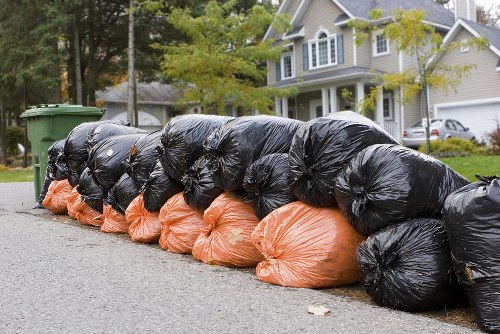
Not every item from a workplace can be handled in the same way, and that is especially true for materials with special disposal requirements. Some commercial loads include appliances, confidential material, damaged electrical goods or items that need extra attention because they should not be mixed with ordinary waste. The key is to identify these pieces early, so they can be managed through the most suitable route.
Businesses sometimes discover that a clear-out includes old cooling units, small appliances, bulky equipment or paperwork that must not be left in general rubbish. In those cases, a dedicated collection is often more practical than waiting until the waste has been sorted into several separate jobs. If the load contains confidential papers, the safest approach is to separate them from general disposal material before the team arrives, rather than leaving them loose in the main pile.
Where specialist handling is needed, the relevant service page can help you decide the best match. For example, confidential shredding suits sensitive records, while fridge and appliance removal covers items that are not best left in a standard mixed load. If the problem is more specific or restricted, it is usually better to choose the service that matches the item rather than forcing everything into one generic request.
How a commercial collection is planned
A good waste collection starts with a sensible plan rather than a long process. Most customers only need to describe the type of premises, the main items involved and any constraints that could affect collection. Access routes, floor levels, shared entrances and parking restrictions are useful to mention because they can shape how the work is carried out. The aim is to make the removal efficient and avoid last-minute surprises.
When preparing a quotation request, a short item list is usually more useful than vague wording. For example, it helps to know whether the job is mainly office furniture, mixed waste, archive material, appliances or a combination of all four. If possible, tell us whether anything needs to be dismantled, whether the property is occupied during the collection and whether the waste sits in one area or several. This does not need to be complicated; it just needs to be accurate enough for the load to be understood.
For customers who want to compare practical options, the pricing and quotes page is the natural place to review how quotations are approached. Clear details lead to better estimates, and they also make it easier to plan the collection around building rules and business hours. If you are ready, send the key details now and ask for a quotation that reflects the actual job.
Recycling, sorting and responsible disposal
Responsible commercial waste removal is not only about taking items away; it is also about handling them in a sensible order once collected. Many business loads include material that can be separated into different streams, such as metal, wood, cardboard, mixed furniture parts and general rubbish. Sorting matters because it helps reduce the amount sent to the wrong route and keeps the job organised from the moment items are removed.
Not every item can be treated alike, and some loads need more care than others. A mixed commercial clearance might contain reusable office items, recyclable packaging and broken pieces that are only suitable for disposal. By identifying the main categories early, the collection can be handled with less confusion. For businesses that want to think more broadly about disposal methods, our recycling and sustainability page provides a useful context for how material is dealt with after collection.
In practical terms, the customer only needs to decide what should leave the premises and what should remain for reuse, storage or recycling. If the work is being staged over several days, a phased approach can also be sensible. That way, the business does not need to empty everything at once, and the removal can follow the pace of the project rather than forcing the project to follow the waste.
About Marylebone
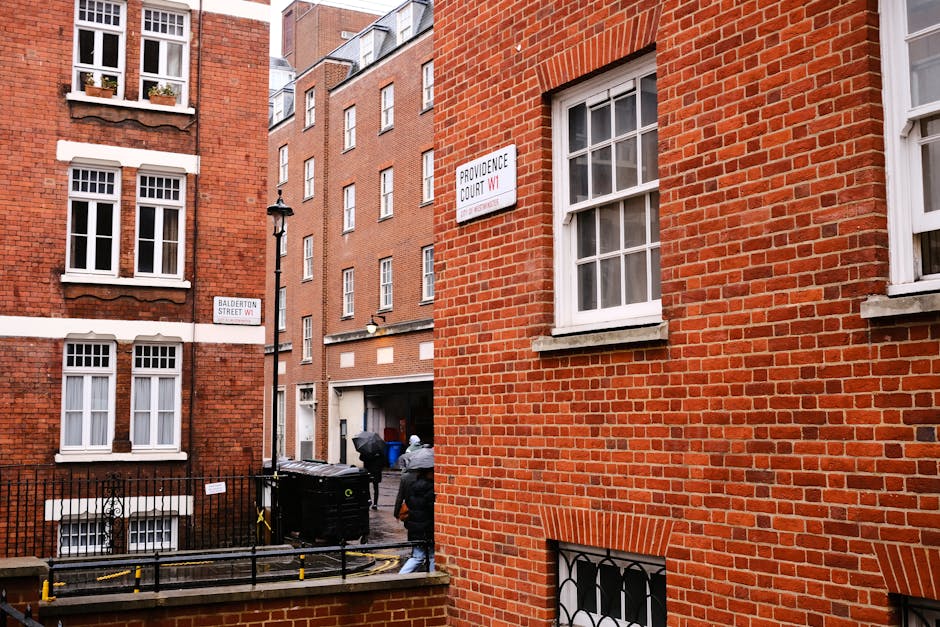
Marylebone is a central London district in the City of Westminster, shaped by a mix of Georgian terraces, later commercial buildings and well-known streets that reflect the area’s long evolution from rural manor land to a dense urban quarter. Its street pattern is organised around Marylebone High Street, Baker Street and surrounding residential and business roads, with a built environment that includes elegant townhouses, mansion blocks and a number of institutional buildings. The area’s character is closely tied to its place between Oxford Street, Regent’s Park and the wider West End, which has made it both a residential neighbourhood and a focus for shops, offices and visitor activity. One of its most recognisable institutions is the Royal Academy of Music, founded in 1822 and now located on Marylebone Road, while nearby landmarks include the Sherlock Holmes Museum at 221B Baker Street and the distinctive former station building that forms part of the area’s transport history. Marylebone Station links the district to national rail services, and the Underground network gives it strong connections across London. Regent’s Park lies immediately to the north-east, offering formal gardens, sports facilities and open green space, while smaller local squares and garden areas provide a quieter contrast to the busy shopping streets. The district is also known for its independent shops, restaurants and medical and professional services, many of which occupy converted houses or purpose-built commercial premises. That blend of heritage architecture, transport access and mixed urban use gives Marylebone a distinct identity within central London, combining a high street atmosphere with a more residential and architectural feel than many neighbouring areas.
House clearances, storage and mixed loads

Although the main focus here is commercial waste removal, many business customers also need help when premises contain mixed items that do not fall neatly into one category. A storage room may hold old office chairs, domestic-style furniture from a staff area, boxes of paperwork and general unwanted clutter all at once. In those situations, a combined clearance can be more efficient than arranging separate removals for each item type.
The useful decision is not whether the load is large or small, but whether it is better handled as a single grouped collection. If the contents include personal items, records or reusable stock, those should be separated before the waste is taken away. Where a business also needs a broader clear-out, our home clearance and house clearance pages show the domestic-style services that exist alongside commercial work, which can be relevant when a property contains both business and non-business contents.
For loads stored in lofts, cellars, cupboards or overflow rooms, it often helps to identify the access route before booking. Narrow stairs, limited headroom and shared entrances all affect how the job is carried out. If the material includes older furniture or awkward items, the load may also need sorting before collection so that the waste can be removed in the safest and most efficient way possible.
Preparing your enquiry and collection
To request a quotation, it usually helps to give the main item types, the premises layout and the preferred timing. That can be as simple as describing the load in plain language and noting whether the waste is on one floor or several. If the collection sits within a managed building, mentioning any rules about loading bays, lifts or common areas is also worthwhile. These details help the quotation reflect the real job, not a rough guess.
A short list can be very effective when you are arranging a commercial clearance. Include what needs removing, whether anything is fragile or confidential, and whether the work should happen before staff arrive or after the business has closed for the day. If there are items you are considering keeping, it is best to separate them in advance, because mixed piles can slow things down and make the collection less clear for everyone involved.
When you are ready to move forward, contact us with the key details or use the booking route that suits your schedule. A concise enquiry is enough to start the process, and a well-described load makes it easier to match the right removal approach to your premises.