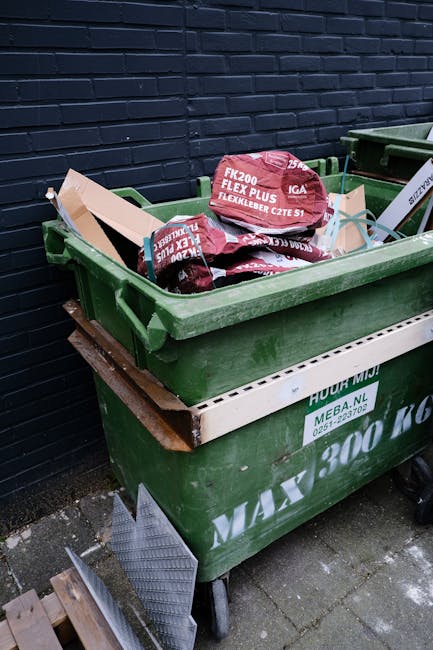
Marylebone Baker Street guide to local rubbish removal services

If you live, work, or manage property around Baker Street, rubbish has a way of building up at the worst possible moment. One week it is a broken wardrobe, the next it is builders' rubble, old office furniture, or a flat that needs clearing before a handover. This Marylebone Baker Street guide to local rubbish removal services is here to help you make sense of the options, avoid the usual headaches, and choose a service that actually fits the street, the building, and the kind of waste you need gone.
Local rubbish removal is not just about taking things away. It is about timing, access, sorting, disposal, recycling, and making sure the job is handled properly the first time. In a busy part of London, that matters more than most people expect. Let's make it straightforward.
Why Marylebone Baker Street guide to local rubbish removal services Matters
Baker Street sits in a part of London where space is tight, access can be awkward, and time is rarely on your side. That alone makes rubbish removal different from a straightforward "load it and go" job. You may be dealing with narrow entrances, managed buildings, lift restrictions, resident permits, neighbour considerations, or a quick turnaround between tenants. One missed detail can turn a simple clearance into a frustrating half-day of waiting around.
A proper local rubbish removal service helps you clear waste without turning the day upside down. That includes everyday household junk, office clutter, bulky furniture, renovation debris, and more awkward items like fridges or mattresses. The right team will also think about recycling and disposal routes, not just removal. To be fair, that's where the value usually lies.
In Marylebone, people often need help for more than one reason at once. A landlord might be clearing a flat after a tenancy. A shop or office may be modernising. A family could be sorting a loft, garage, or entire home before a move. The common thread is this: waste is in the way, and it needs removing efficiently and responsibly.
If you are comparing providers, it helps to understand the broader service ecosystem too. The site's waste removal service gives a useful overview, while specialist pages such as house clearance, flat clearance, and office clearance are helpful when your job is more defined.
How Marylebone Baker Street guide to local rubbish removal services Works
Most rubbish removal jobs follow a fairly predictable process, even if the details vary. First, you identify what needs clearing. Then you estimate the volume, note any tricky items, and decide whether the job needs same-day collection, scheduled pickup, or a more tailored clearance. After that, the provider gives a price or quote based on load size, labour, access, and waste type. Simple in theory. In practice, a few details can change things quickly.
For example, moving a single sofa from a ground-floor flat is one thing. Clearing the same sofa, plus a mattress, old cabinets, and a broken appliance from a second-floor property with awkward stairs is another. The labour and handling time go up. So does the chance of damage if the team is careless. That is why local knowledge matters, especially around Baker Street and the surrounding Marylebone streets.
Local rubbish removal services usually work in one of two ways:
- Man and van style removal for flexible collections, mixed waste, and bulky items.
- Specialised clearance services for properties, offices, renovation waste, or particular item types.
Some customers think the job is only about volume. Not quite. Waste category matters too. Builders' waste, electrical items, furniture, and hazardous materials all need different handling. If you are clearing a post-renovation room, a service like builders waste clearance may be a better fit than a general pickup. Likewise, appliance-heavy clearances are often better matched with fridge and appliance removal.
Another thing people don't always realise: the best services are often the ones that ask a few sensible questions before arriving. That's a good sign, not an inconvenience. It means they are trying to avoid surprises on arrival, which saves everyone a headache.
Key Benefits and Practical Advantages
The main benefit of using a local rubbish removal service in Baker Street is speed, but there is more to it than that. Good local providers reduce disruption, handle lifting, and take away the burden of arranging disposal yourself. If you have ever stared at a hallway full of old furniture and thought, "Right, now what?", you already know the appeal.
Here are the practical advantages most people care about:
- Faster turnaround when you need waste gone quickly.
- Less physical strain because heavy lifting is handled for you.
- Better access planning for flats, basements, and managed buildings.
- Cleaner handovers for tenants, landlords, and agents.
- More responsible disposal when items are sorted for reuse or recycling.
- Reduced stress during moves, refurbishments, or decluttering projects.
There is also a quiet financial benefit that people overlook. When a job is handled properly, you are less likely to pay twice - once for a rushed poor job and again for the corrective work. That happens more than anyone likes to admit.
If sustainability matters to you, it is worth checking how a provider approaches sorting and recycling. A thoughtful operator should be able to talk clearly about waste streams and how they minimise landfill where possible. The company's recycling and sustainability approach is a useful place to look when comparing standards. And if you want to understand what happens to loads in broader terms, the what can go in a skip guidance can also help you think more carefully about sorting.
Expert summary: In a dense area like Baker Street, the best rubbish removal service is usually the one that balances speed, access planning, fair pricing, and proper waste handling - not the one that simply promises to turn up "any time today".
Who This Is For and When It Makes Sense
This kind of service is not just for big clear-outs. It is for anyone who needs waste removed without the mess of doing it themselves. A few common scenarios come up again and again.
Homeowners and tenants use it for decluttering, moving house, replacing furniture, or clearing old items before a renovation. A family sorting through a spare room after years of "we'll deal with that later" often needs a practical, no-nonsense solution.
Landlords and letting agents rely on it between tenancies, after abandoned furniture, or when a property needs to be reset fast. In rental markets, time is money, and delays can snowball.
Businesses and offices use rubbish removal for old desks, filing cabinets, shelving, packaging waste, and general office overflow. The business waste removal page is a useful reference if your clearance is commercial rather than domestic.
Builders and trades need reliable pickup for rubble, timber, packaging, and scrap from small refurbishments. In those cases, a specialist page like builders waste clearance is often more relevant than a broad general service.
People dealing with awkward items - sofas, mattresses, freezers, fridges, or mixed bulky waste - benefit from a provider that knows how to lift, separate, and dispose of each item correctly. For those cases, mattress and sofa disposal can be a sensible fit, as can furniture disposal.
Truth be told, if the waste is getting in the way of your day, it probably makes sense already. The real question is how quickly you want it handled and how much admin you want to take on yourself.
Step-by-Step Guidance
Here is a straightforward way to approach rubbish removal in Marylebone Baker Street without overcomplicating it.
- List everything that needs removing. Be specific. "Old furniture" is less useful than "one sofa, two armchairs, a coffee table, and three bags of mixed waste."
- Separate ordinary rubbish from specialist items. Fridges, paint, chemicals, and some electronics should be flagged early. That avoids awkwardness on the day.
- Check access before booking. Note stairs, lifts, parking restrictions, loading limits, and whether the property is in a managed building. This is a big one.
- Choose the right service type. For a room or flat, look at flat clearance or home clearance. For larger domestic jobs, house clearance may be more suitable.
- Ask for a clear price structure. You want to understand what affects the cost: volume, weight, labour, item type, or access.
- Confirm collection timing. Morning collections can work well if you need the rest of the day free. Afternoon jobs can suit ongoing refurbishments. Small detail, big difference.
- Prepare the waste for easy loading. Stack items sensibly where possible and keep access clear. Don't block doors with a heroic pile of broken shelving.
- Check disposal expectations. If your provider separates reusable items or recycles where possible, that is a good sign.
If your clearance includes confidential papers or sensitive documents, a general rubbish run may not be enough. In that case, confidential shredding is worth considering as part of the process.
And if you want to organise the job quickly, use the site's book online option where appropriate. Handy, especially when you are busy and the day is already full.
Expert Tips for Better Results
A few simple choices can make the whole experience smoother. Most of them are about preparation rather than heroics.
- Photograph the waste before you book. It helps with accuracy and reduces the chance of misunderstandings.
- Measure bulky items. Large wardrobes, sofas, and appliances can be trickier than they look in a hallway. That old "it'll fit" optimism can be a trap.
- Be honest about access. If there is no lift, say so. If the parking is tight, say so. Everyone wins.
- Keep mixed waste separated where practical. It can speed things up and make recycling easier.
- Book earlier for busy periods. End-of-month moves, post-renovation clean-ups, and pre-holiday clearances often fill up fast.
- Use specialist services for specialist waste. If the job includes appliances, garden waste, or construction debris, matching the right service usually pays off.
A small but useful tip: put the most awkward item near the front of your thinking. If a fridge, mattress, or heavy sofa is involved, lead with that in your enquiry. It changes the practical plan more than people expect. Not dramatic, just true.
If you are comparing providers, also look at trust signals. A strong provider should be able to explain insurance and safety, and set out its health and safety policy in plain English. That matters when items need to be removed from homes, offices, or shared buildings.
Common Mistakes to Avoid
People usually do not get rubbish removal wrong in dramatic ways. It is more often a collection of small misjudgements that adds up.
- Underestimating the volume. What looks like "a few bags" can become a full van load very quickly.
- Forgetting about access. A great quote can become less great if the building is hard to reach.
- Mixing hazardous items into ordinary waste. That creates disposal problems and may delay the job.
- Assuming all furniture can be taken the same way. Some items need different handling, especially large or upholstered ones.
- Not asking about recycling. The cheapest option is not always the most sensible one.
- Leaving booking until the last minute. Fine if you enjoy pressure. Less ideal if you do not.
Another easy mistake is to skip the quote details. If pricing is not clear, ask what is included and what could change it. That does not make you fussy. It makes you informed.
And one more, because it comes up a lot: do not hide awkward items at the back of the pile and mention them only when the team arrives. That is how a simple job becomes a slightly grumpy one. No one wants that.
Tools, Resources and Recommendations
You do not need much to prepare for a rubbish removal job, but a few practical tools help.
- Phone camera for quick photos of the waste and access points.
- Measuring tape for large furniture, doorways, and stair turns.
- Basic labels or notes to separate items you want kept, donated, or removed.
- Storage bags or boxes if you are sorting loose items, papers, or small clutter.
- A clear route to the exit so the team can move efficiently without bumping into half the house.
From a service perspective, the most useful pages on the site are often the ones that match the type of waste or property you have. For instance, if your project is office-related, start with office clearance. If you are dealing with a garage packed with old odds and ends, garage clearance may be a better fit. For outside waste, garden clearance is the more natural route.
If you want to understand the company itself before booking, the about us page is helpful for background, and the pricing and quotes page is the sensible place to review commercial expectations before you go ahead.
Law, Compliance, Standards, or Best Practice
Waste removal in the UK sits within a framework of legal and practical responsibilities, even when the job looks simple. You do not need to become a compliance expert, but you do want a provider that treats waste handling seriously.
As a customer, the safest expectation is this: waste should be collected, transported, sorted, and disposed of by a provider that understands its duties and works in line with accepted UK practice. That means paying attention to safe handling, item-specific restrictions, and responsible disposal routes. It also means not cutting corners with materials that need special care.
For example, items like fridges, appliances, and certain hazardous materials should not be treated like ordinary household junk. Their removal needs the right process and the right judgement. If you are unsure, it is better to ask before collection day than after the van has arrived.
From a best-practice perspective, look for:
- clear waste categorisation
- transparent pricing terms
- safe lifting and handling methods
- appropriate insurance and public protection
- environmentally responsible disposal and recycling
Some jobs also involve privacy or sensitive materials. In those cases, general rubbish removal should be paired with a more suitable approach, such as secure shredding. And if hazardous materials are involved, the hazardous waste disposal information is the right place to start.
One sensible rule of thumb: if you are not sure whether something is ordinary waste, treat it as a special item until confirmed otherwise. It is the safer way round.
Options, Methods, or Comparison Table
Different waste jobs call for different methods. Choosing the right one depends on volume, item type, access, and how quickly you need the space cleared.
| Method | Best for | Strengths | Watch-outs |
|---|---|---|---|
| General rubbish removal | Mixed household clutter, bagged waste, light bulky items | Flexible, fast, easy to arrange | May need extra planning for awkward items |
| House or home clearance | Whole-property or multi-room clearances | Good for larger, more complex jobs | Needs accurate access and inventory detail |
| Office clearance | Desks, chairs, filing units, business clutter | Suited to commercial environments | May involve scheduling around operations |
| Builders waste clearance | Renovation debris, rubble, timber, packaging | Designed for post-work waste | Heavier loads can affect labour and price |
| Special item removal | Mattresses, sofas, appliances, fridges | Better handling and disposal routing | Must be identified in advance |
For many Marylebone customers, the decision is less about what sounds cheapest and more about what fits the reality of the job. A one-size-fits-all approach can work, but only if the waste is straightforward. The moment you add stairs, mixed items, or a tight timescale, a more tailored option often becomes the smarter move.
Case Study or Real-World Example
Picture a flat near Baker Street after a tenant move-out. There is a sofa in the lounge, a mattress in the bedroom, a small fridge in the kitchen, and a scattering of broken shelving, clothes rails, and bagged clutter. On paper, it sounds like a simple clear-out. Then you remember the narrow stairwell, the lack of parking directly outside, and the fact that the building has other residents coming and going all day.
In that situation, a good local rubbish removal service would not just "send a van". It would ask for photos, check access, and plan the order of removal so the biggest items come out safely first. The team would likely separate reusable or recyclable items where possible, and the client would avoid multiple trips, delays, and a lot of lifting they really did not want to do.
That sort of job is exactly why local experience matters. The waste itself is only one part of the challenge. The building, the street, and the schedule all have a say.
Another common example is a small office off Baker Street replacing desks and chairs during a refurbishment. If the clearance is done after hours or in a tight turnaround window, the service has to be efficient, discreet, and well-coordinated. A page like office clearance speaks directly to that kind of need, and it is often a much better fit than a generic approach.
Simple jobs can be handled quickly. Complicated jobs need judgement. That is the difference.
Practical Checklist
Use this checklist before you book. It keeps things calm and cuts down on silly surprises.
- Have I listed all items that need removing?
- Have I separated special items like fridges, mattresses, or hazardous materials?
- Have I checked stair access, lift access, and parking constraints?
- Have I taken photos of the waste and the access route?
- Have I asked for a clear quote or pricing explanation?
- Do I know whether recycling or reuse is part of the service?
- Have I confirmed the collection time and any building access rules?
- Do I know whether I need house clearance, flat clearance, office clearance, or another specialist service?
- Have I checked the company's safety and insurance information?
- Have I set aside anything I want to keep before the team arrives?
If the answer to most of those is yes, you are probably in good shape. If not, take another five minutes. Honestly, those five minutes can save you a lot more later.
Conclusion
The best Marylebone Baker Street guide to local rubbish removal services is the one that helps you make a practical decision, not a rushed one. Once you understand the type of waste, the access situation, and the level of support you need, the rest becomes much easier. You can choose a general clearance, a specialist item removal, or a more complete property service with confidence.
In a busy part of London, that confidence matters. It means less disruption, fewer surprises, and a much cleaner finish at the end of the day. Whether you are clearing a flat, an office, a house, or a pile of awkward mixed waste, the right local service should make the job feel manageable. Not glamorous, perhaps. But manageable. And that is often exactly what people need.
Get a free quote today and see how much you can save.
When the clutter is finally gone and the space feels usable again, there is a small but real sense of relief. That is the bit people remember.
Frequently Asked Questions
What types of rubbish can local services remove in Marylebone Baker Street?
Most local rubbish removal services can handle general household waste, bulky furniture, mixed clutter, office items, and many renovation materials. Specialist items such as fridges, mattresses, or hazardous waste should always be mentioned in advance.
Is rubbish removal better than hiring a skip?
It depends on the job. Rubbish removal is usually better for fast, flexible collections and properties with limited space. A skip can work well for ongoing projects, but you need somewhere to place it and you need to know what can go in it.
How do I know whether I need house clearance or flat clearance?
If the job covers a larger property or multiple rooms, house clearance is usually more suitable. For apartments, smaller homes, or tighter access points, flat clearance often makes more sense. The difference is mostly about scale and access.
Can furniture and appliances be collected together?
Often yes, but it is best to mention them separately when booking. Large furniture and appliances may need different handling, and some items, like fridges, can require specialist removal.
How far in advance should I book rubbish removal?
If the job is simple, you may be able to book quite quickly. For larger clearances, building access issues, or busy times of week, booking earlier is sensible. The earlier you ask, the more flexible the scheduling tends to be.
What if I have hazardous items to remove?
Do not mix hazardous items with ordinary waste. Ask about hazardous waste disposal before booking. Special handling may be needed, and it is much better to clarify that early than to guess on the day.
Do local rubbish removal services recycle items?
Many responsible providers do separate items for reuse or recycling where possible. The exact process varies, so it is worth asking how the company handles sorting and diversion from landfill.
Will the team take waste from upstairs flats or buildings with no lift?
Often yes, but access details matter. Stairs, tight corners, narrow halls, and loading restrictions can affect the plan, the timing, and sometimes the price. Be upfront about access and you will usually get a more accurate result.
Is it okay to leave rubbish outside before collection?
Usually you should only do that if the provider has told you it is acceptable. In shared buildings or on busy streets, leaving waste outside can cause problems with neighbours, access, or local rules.
How can I compare rubbish removal quotes fairly?
Compare what is included, not just the headline price. Look at labour, loading, access assumptions, item type, and disposal handling. A cheap quote that leaves out the difficult bits is not really cheap.
What should I check before choosing a provider?
Look at experience, insurance, safety practices, pricing clarity, and whether the service fits your actual waste type. If you need a commercial option, the business waste removal pages may be more relevant than a general domestic clearance.
Can I use one service for mixed waste from a home renovation?
Yes, often you can. Just make sure you explain exactly what is included, especially if there are builders' materials, old furniture, broken fixtures, or anything that needs special handling. Mixed loads are common, but the details matter.