Mastering Packaging and Cardboard Disposal at Home
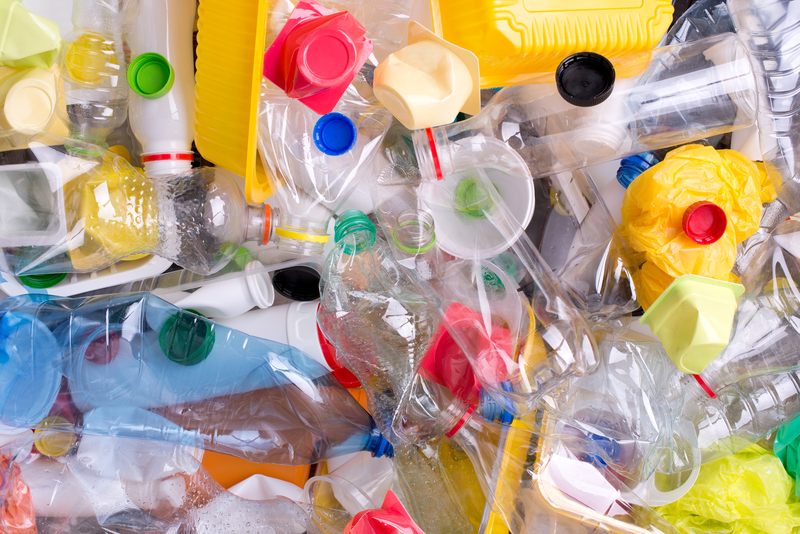
Mastering Packaging and Cardboard Disposal at Home isn't just about tidying the hallway after a delivery spree. It's about saving space, saving money, and doing your bit for the planet without turning your living room into a box fort. If you've ever stared at a pile of boxes after a rainy-day online shop and thought, "Where on earth do I start?" -- you're in the right place. This long-form guide delivers practical, UK-savvy advice you can use today, backed by industry practice and common-sense experience. We'll show you how to reduce packaging, flatten cardboard like a pro, pick eco-tape that actually sticks, and follow UK recycling rules without getting lost in the jargon.
In our experience auditing home recycling set-ups across the South East, the homes that nail cardboard disposal share three traits: they store cardboard dry, they streamline their packaging before it ever enters the house, and they keep a simple, repeatable routine. Clean, clear, calm. That's the goal.
Table of Contents
- Why This Topic Matters
- Key Benefits
- Step-by-Step Guidance
- Expert Tips
- Common Mistakes to Avoid
- Case Study or Real-World Example
- Tools, Resources & Recommendations
- Law, Compliance or Industry Standards (UK-focused)
- Checklist
- Conclusion with CTA
- FAQ
Why This Topic Matters
Let's face it: post and parcel packaging has exploded. With e-commerce still surging, households are handling more cardboard, paper mailers, padded envelopes, and plastic films than ever. The result? Overflowing bins, cluttered cupboards, and the occasional partner eye-roll when that "one big order" shows up in three huge boxes. But there's a deeper reason to care. According to UK data published by Defra, the household recycling rate has hovered around the mid-40% range in recent years. Paper and cardboard are among the most recyclable materials we touch daily, and their recovery rate is typically higher than plastics. Every box you manage well at home reduces contamination, boosts recycling quality, and keeps valuable fibre in circulation.
Cardboard (corrugated board especially) is a recycling superstar. It can be recycled multiple times before fibres become too short and need refreshing with virgin pulp. The catch? Contamination from food, oils, and moisture can downgrade loads. You could almost smell the cardboard dust in the air at a materials recovery facility (MRF) on a wet Tuesday morning -- damp, heavy boxes simply don't process as cleanly or efficiently. That's where you come in. Mastering packaging and cardboard disposal at home genuinely matters, and yes, a few smart tweaks make all the difference.
Truth be told, none of this is rocket science. It's habits, storage, and a little technique.
Key Benefits
- Space saved: Flattened cardboard can reduce volume by up to 80-90%, freeing hallways and cupboards.
- Cleaner home, calmer mind: Less clutter helps you find things faster and breathe easier. Small win, big feeling.
- Lower costs: If you pay for excess waste weight or extra collections, efficient prep means fewer charges.
- Higher recycling quality: Dry, clean, correctly sorted cardboard keeps fibre quality high, supporting UK paper mills.
- Greener footprint: Reuse beats recycle; recycling beats landfill. Following the waste hierarchy reduces emissions.
- Faster clear-outs: A routine for packaging disposal turns "I'll do it later" into "Done in five minutes".
- Family-friendly habits: Simple rules (remove tape, flatten, stack) are easy for kids and teens to follow.
Step-by-Step Guidance
Here's a practical, repeatable system for mastering packaging and cardboard disposal at home. Follow it once and you'll feel the difference. Follow it weekly and you'll never look back.
1) Unpack with intention
- Open along the seams: Use a safety knife or blunt butter knife. Cut the tape rather than tearing the box to preserve clean edges for flattening and reuse.
- Sort on the spot: Create three quick piles: reuse (good boxes/mailing bags), recycle (clean cardboard, paper), and other (plastic films, bubble wrap). Two minutes now saves twenty later.
- Capture receipts and returns paperwork: Slip them into a folder instead of leaving them inside boxes. Future-you will thank you.
Micro moment: It was raining hard outside that day, and the soggy parcel sat on the mat. We wiped, unpacked on a towel, and kept the cardboard dry. Small habit, big difference.
2) Prepare cardboard for recycling or reuse
- Remove heavy contamination: Peel off plastic tape if it's thick; thin tape is usually fine in most UK kerbside systems. Take off plastic windows and foam inserts.
- Flatten completely: Break the corner seams. Step on the folds (gently) to get a flat sheet. The difference in bin capacity is massive.
- Keep it dry: Store flattened stacks in a cupboard, under-stairs space, or a dry shed. Damp cardboard can become a mouldy mess and may be rejected.
- Bundle smartly: Tie with string or paper tape if your council requires bundled cardboard. Aim for manageable stacks you can lift comfortably.
3) Handle special items
- Pizza boxes: Tear off the clean lid for recycling; compost or dispose of the greasy base as per local rules. Grease = contamination.
- Waxy or laminated boxes: Coffee cups, some takeaway containers, and freezer boxes can be tricky. Check your council's guidance and the OPRL label.
- Padded envelopes: If paper outer + plastic bubble inner, split them. Paper part to recycling (if clean), plastic bubble to soft plastics collection if available.
- Glittery or heavy-ink prints: When in doubt, check local rules; most printed cardboard is fine, but glittered finishes are often not.
4) Reuse before you recycle
- Shipping and returns: Keep two or three sturdy boxes in standard sizes. Label a small shelf "Returns/Reship". You'll be surprised how often you use it.
- Home organisation: Shoe boxes for cables, flat mailers for documents, larger cartons for seasonal decor. A strip of brown paper tape neaten things up.
- Crafts and kids' projects: Corrugated offcuts for model-building, homemade scratch pads, and drawer dividers. Genuinely helpful on a rainy Sunday.
- Shredded cardboard as void fill: If you post items, shred offcuts with a manual shredder for a plastic-free cushion.
5) Compost where appropriate
Uncoated, plain cardboard is a carbon-rich "brown" for composting. Tear into small pieces and mix with food scraps and green garden waste. Avoid glossy, coated, or heavily dyed board. And keep it damp, not soggy. The earthy smell when it's working right? Lovely.
6) Schedule your routine
- Set a weekly slot: Sunday evening flatten-and-bundle session. 10 minutes, kettle on, Bluetooth speaker humming.
- Know your kerbside day: Mark collection dates on your phone calendar. It sounds obvious, but it's the one thing most people skip.
- Overflow plan: If you're moving or after Christmas, pre-book a civic amenity (HWRC) trip or a licensed collection. Don't let it pile up.
Expert Tips
These are the pro touches that take you from "getting by" to mastering packaging and cardboard disposal at home properly.
- Choose paper-based tapes: Kraft paper tape (water-activated or self-adhesive) sticks well, recycles more cleanly, and looks tidy. Plastic tape is fine but try to go lighter.
- Buy the right box size: Oversized boxes create more void fill and waste. If you run a side-hustle, standardise on 2-3 sizes to cut costs and clutter.
- Use the waste hierarchy: Prevent > Reduce > Reuse > Recycle > Recover > Dispose. It's not just a slogan, it's a money-saver.
- Stack vertically: Lean flattened cardboard against a wall with a simple bungee cord. Keeps air flow, prevents damp spots.
- Watch for contamination: Oil, paint, pet waste, or food residue can ruin a whole stack. Segregate instantly.
- Check OPRL labels: The On-Pack Recycling Label tells you if the packaging is widely recycled, not yet recycled, or collected at store. It removes guesswork.
- Seasonal surge strategy: December and moving month? Order a couple of reusable heavy-duty sacks for flat cardboard. They're a game changer.
- Teach the household: A tiny sign inside a cupboard door with 3 rules: Remove tape, flatten, keep dry. Job done.
- For flats: Use under-bed storage for flattened stacks and take them down on collection morning. Less clutter on stairwells.
Ever tried clearing a room and found yourself keeping everything? A clear, simple rule-set stops the dithering. You'll see why after one good session.
Common Mistakes to Avoid
- Letting cardboard get wet: Rain + fibre = slump. Wet board can lose structural integrity and may be rejected by processors.
- Forgetting to flatten: Unflattened boxes fill bins instantly and annoy neighbours when lids won't shut.
- Overthinking labels and small tape: Most UK MRFs accept small amounts of tape and labels on cardboard. Don't waste hours picking at tiny bits.
- Mixing food waste with cardboard: That takeaway leak? Keep it away from clean stacks. One spill can contaminate everything.
- Storing in damp sheds: Moisture wicks quickly through cardboard. Use a pallet or shelf to keep it off the ground.
- Ignoring council variations: UK councils differ. If you're unsure, check your local guidance rather than guessing.
Yeah, we've all been there -- opening a bin to find a soggy, slumped stack. Once you've seen it, you won't risk it again.
Case Study or Real-World Example
The two-bedroom flat in Walthamstow. A couple working hybrid jobs found boxes taking over their hallway every week. On a drizzly Thursday, we did a 30-minute reset:
- Set up a narrow, vertical storage slot behind a bookshelf with a simple bungee cord.
- Switched to paper tape and kept three "keep" boxes for returns and gifting.
- Labeled a canvas tote "Soft Plastics" for the supermarket drop-off.
- Made a quick rule: flatten within 24 hours of delivery.
Result? The hallway stayed clear, bins closed properly (finally), and they cut down recycling trips. To be fair, it wasn't fancy. Just consistent. They reported saving 15-20 minutes a week. More tea-time, less trip-hazard.
Tools, Resources & Recommendations
You don't need a workshop. A few simple tools and resources make mastering packaging and cardboard disposal at home remarkably easy.
Simple tools
- Safety knife or box cutter: Retractable blade for clean cuts. Store out of children's reach.
- Paper (Kraft) tape: Self-adhesive or gummed. Choose reinforced for heavy parcels.
- String or twine: For bundling flattened board if required by your council.
- Heavy-duty sack: For flat stacks in flats/communal areas.
- Manual cardboard shredder: Optional, but brilliant for plastic-free void fill.
Storage solutions
- Vertical slot: Create a 15-20 cm gap between a cupboard and wall. Slip flattened board in.
- Under-bed box: For small flats; fits A3-ish panels easily.
- Garage/shed shelf: Keep stacks off the floor to avoid damp. Add silica gel packs if moisture is a problem.
Labels that help
- OPRL recycling labels: Look for "Recycle", "Don't recycle", or "Recycle at store". Easy, visual guidance.
- FSC or PEFC: Forest certification logos indicate responsibly sourced fibre.
Where to take extras
- Kerbside recycling: Most UK councils accept clean cardboard and paper.
- HWRC (tip): For bulk clear-outs or moving days. Expect traffic on weekends.
- Supermarket soft plastics bins: Many larger chains collect flexible plastic packaging.
- Charity shops: Some will accept clean, sturdy boxes for storage or shipping. Call first.
Law, Compliance or Industry Standards (UK-focused)
The UK landscape for packaging and cardboard disposal continues to evolve. Here's what a household needs to know, in plain English.
- Waste Hierarchy: UK policy prioritises prevention, then reuse, then recycling. Practically, that means: buy sensibly, reuse boxes, and recycle clean fibre.
- Kerbside rules vary: Councils set their own collection standards. Some require cardboard to be flattened and bundled; others accept small boxes unbundled. Always check your council's page.
- Duty of care (when hiring collectors): If you arrange a private waste collection, you must use a licensed waste carrier registered with the Environment Agency. Ask for their waste carrier number and a waste transfer note. It protects you from fly-tipping liability.
- OPRL labelling: The On-Pack Recycling Label scheme helps consumers recycle correctly. It's not law, but widely used and reliable.
- Extended Producer Responsibility (EPR) for packaging: Rolling out in the UK, shifting the true cost of packaging waste management to producers. For households, this should lead to clearer labelling and potentially improved services over time.
- Contamination rules: Councils and MRFs can reject loads if contamination is high. Keep cardboard clean and dry, and separate food-soiled items.
Industry norms: paper and cardboard are among the most successful materials for recycling in Europe and the UK, with high capture rates when kept clean. Your actions at home directly influence that success.
Checklist
Quick reference for mastering packaging and cardboard disposal at home. Pin it, print it, or save it in your notes.
- Open parcels carefully; sort immediately into reuse/recycle/other.
- Remove heavy plastic tape, foam, and plastic windows.
- Flatten every box. No exceptions.
- Store stacks dry, off the floor; bundle if your council requires.
- Keep a few good boxes for returns and gifting.
- Shred offcuts for plastic-free packing filler if you ship things.
- Compost plain, uncoated cardboard as "browns".
- Check OPRL labels and council guidance for edge cases.
- Set a weekly 10-minute routine; sync with your collection day.
- For bulk loads, book an HWRC trip or a licensed carrier.
Ever noticed how a tidy hallway changes the whole mood of a home? It's subtle, but real.
Conclusion with CTA
Mastering packaging and cardboard disposal at home is less about rules, more about rhythm. A steady routine, a couple of smart tools, and a dry corner for flat stacks -- that's it. You'll reduce clutter, avoid soggy chaos, and send clean fibre back into the loop where it belongs. It's a small act with a big echo.
Whether you live in a cosy studio in Manchester or a family home outside Bristol, these steps work. Start this week. Feel the difference next week.
Get a free quote today and see how much you can save.
And when you step into a hallway without tripping over yesterday's deliveries--that little exhale? Worth it.
FAQ
Can I recycle cardboard with tape still on it?
Yes, in most UK councils small amounts of plastic tape and labels are acceptable. Remove thick tape and large plastic sections to improve quality.
What should I do with greasy pizza boxes?
Tear off the clean lid for recycling. The greasy base can go to food waste or general waste depending on local rules, or compost at home if suitable.
How do I store cardboard in a small flat?
Flatten fully and slide into a vertical gap behind furniture or use an under-bed box. A bungee cord keeps stacks tidy and safe.
Is wet cardboard recyclable?
Wet cardboard often degrades in quality and may be rejected. Dry it thoroughly before adding to recycling, or keep it separate if the fibres feel mushy.
What about laminated or coated boxes, like freezer packaging?
Some coated boards aren't accepted kerbside. Check the OPRL label and your council's guidance. When in doubt, separate and dispose correctly.
Can I compost cardboard?
Plain, uncoated cardboard can be composted as a carbon-rich "brown". Tear into small pieces and mix with food and garden "greens". Avoid glossy or glittered finishes.
Do I need to remove every label before recycling?
No. Remove large plastic sections and foam inserts, but small labels typically aren't an issue. Focus on removing heavy contaminants.
How can I reduce the amount of packaging I receive?
Consolidate online orders, choose retailers with minimal packaging, request "no gift wrap", and opt for click-and-collect when practical. Smaller boxes = less waste.
What are the best tapes for eco-friendly parcels?
Kraft paper tape (gummed or self-adhesive) is sturdy and recycles more cleanly with cardboard. It looks neat and works well on most box finishes.
Are padded envelopes recyclable?
If they're all-paper (with paper fibres as padding), yes. If they're paper outside and plastic bubble inside, separate the layers: paper to recycling, bubble to soft-plastics collection if available.
What if my council doesn't collect cardboard?
Most do, but if not, take it to your local HWRC, arrange a licensed collection, or ask neighbours about shared trips. Do not dump - it's illegal and costly.
Can cardboard be reused for posting items?
Absolutely. Choose boxes in good condition, remove old labels, and reinforce seams with paper tape. Add shredded cardboard as void fill to avoid plastic.
How often should I clear my cardboard pile?
Weekly works for most households. Sync with your kerbside collection schedule so you're not living with a permanent stack.
Is coloured or printed cardboard okay?
Yes, generally. Most printed cardboard is fine to recycle unless it has heavy glitter or plastic coatings. When in doubt, check local guidance.
Do I need to bundle cardboard?
Some councils prefer or require bundles; others accept loose flattened pieces in the recycling bin. Check your local rules to avoid a missed collection.
Why does keeping cardboard dry matter so much?
Moisture weakens fibres and can cause mould. Dry cardboard keeps the material high-quality and ensures it's accepted at the MRF. Simple, but crucial.
What's the quickest way to flatten a box?
Slice along the taped seam, press the opposing corners inward, and step gently to flatten. Three moves, ten seconds, done.
Is it better to reuse a box multiple times or recycle it immediately?
Reuse first whenever possible. Each reuse saves the energy of processing. When the box is no longer sturdy, recycle it clean and dry.
Can I recycle gift boxes with ribbons and magnets?
Remove ribbons, magnets, and any plastic windows. The cardboard part is typically recyclable if clean and uncoated.
What's one habit that makes the biggest difference?
Flatten within 24 hours of delivery. It prevents clutter, keeps materials clean, and makes recycling day painless. A tiny rule with a big payoff.